I accidentally emptied the Recycle Bin on my Mac and realized some important files were still in it. I need help figuring out if there’s any way to recover deleted files after the bin has been emptied, especially since some of the documents were work-related and not backed up.
Losing files after emptying Trash on a Mac is not always the end of it. I’ve seen stuff come back, but only when the deleted space had not been written over yet.
First thing I’d do, stop using the Mac right away, or at least keep it to a minimum. If the files were on your internal drive, every new download, app launch, or system write chips away at your chances.
What I checked first when this happened to me:
Start with the boring stuff
Before messing with recovery apps, look through the places people forget about:
- Time Machine backups
- iCloud Drive
- External drives
- Sync services
- App-level recovery features, like autosave or version history
A lot of people skip this part and go straight to scanning software. I did too once. Waste of time.
If there’s no backup
Then you’re in data recovery territory. At that point, I’d use a recovery tool and scan the drive as soon as possible.
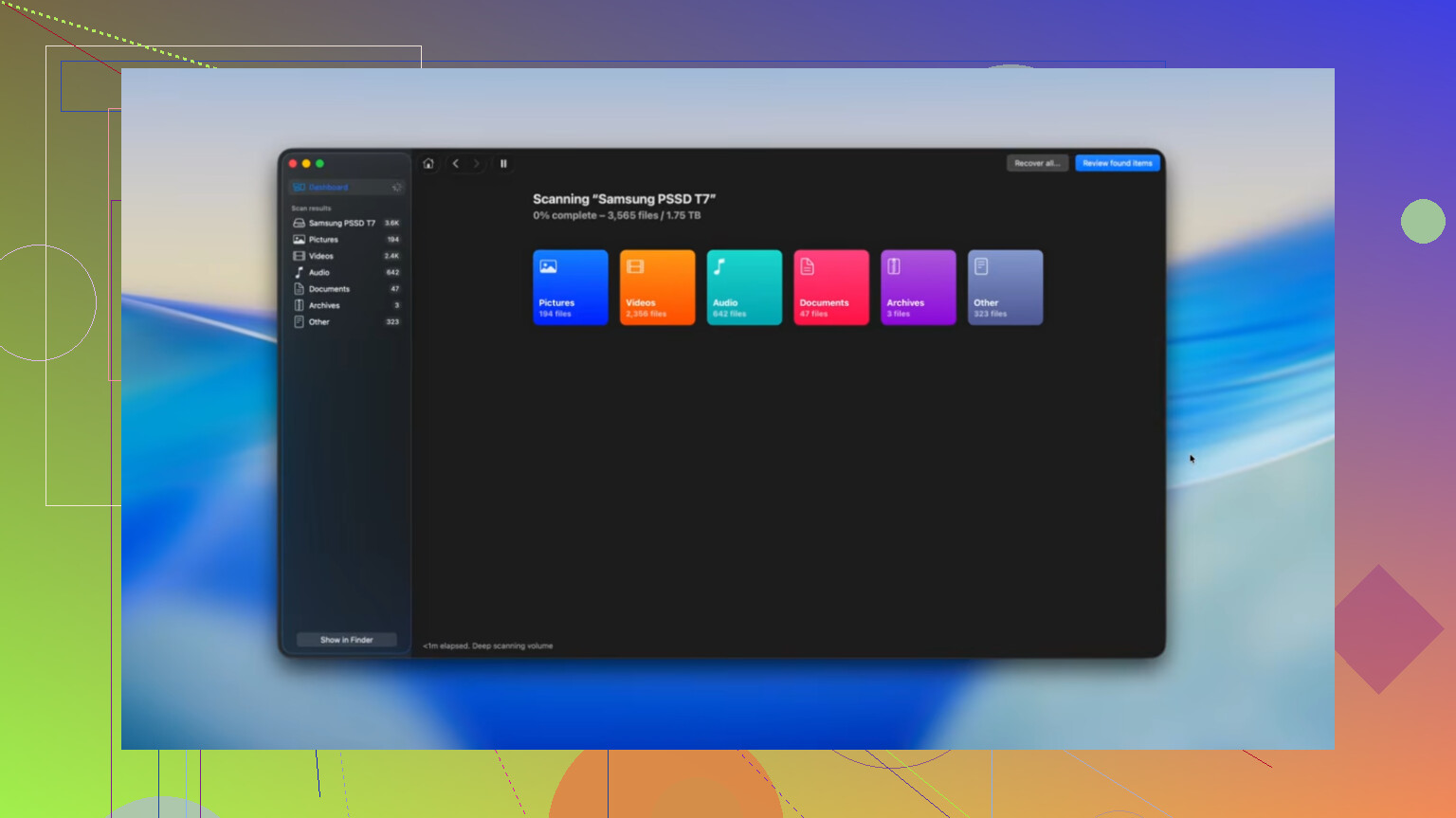
I’d start with Disk Drill. What I liked is it scans for files removed from Trash and shows previews before you recover anything, so you’re not blindly restoring junk. One important thing, save recovered files to a different drive. Don’t write them back onto the same disk you’re scanning or you risk overwriting more lost data.
Step by step guide
If you want the full process laid out clearly, this guide covers the usual recovery paths on Mac:
in-depth guide on how to recover emptied Trash on Mac
If the Mac has been used a lot since deletion, odds drop fast. If it happened a few minutes ago and you stopped writing to the drive, you’ve got a better shot.
Yes, sometimes. Emptying Trash on a Mac removes the file’s directory entry first. The file data stays on disk until macOS writes over it. If your SSD has TRIM active, recovery odds drop fast. On newer Macs, that matters a lot.
I agree with @mikeappsreviewer on stopping use of the Mac. I disagree a bit on one point though. I would not spend too long checking every sync app one by one if the files were deleted minutes ago. Time matters more than a full scavenger hunt.
What I’d do next:
- If you use Time Machine, restore from a snapshot. Local snapshots sometimes exist even when your backup drive is not plugged in.
- Check the app where the file was created. Pages, Word, Photoshop, and some video editors keep temp files, autosaves, or previous versions.
- If FileVault was on and the Mac kept running after deletion, deleted data from the internal SSD gets harder to recover.
- If no backup exists, run Disk Drill from another drive if possible. Recover to an external drive, not your Mac’s internal one.
One more thing people miss. Mail attachments, Messages, and app caches sometimes still hold copies. I’ve found PDFs this way more than once.
This thread from Facebook has a decent summary too:
Mac deleted file recovery tips after emptying Trash
If the files were huge video files, odds are worse. Small docs and photos sometiems fare better.
Yep, sometimes you can recover files after emptying Trash on a Mac, but I’d push back a little on @mikeappsreviewer and @kakeru on one thing: people jump to “scan the drive now” a bit too fast. If the deleted files were in Desktop/Documents and you use iCloud, check Recently Deleted on iCloud Drive from the web first. Same for Photos if they were images. That can be way faster than a deep scan.
Also, Finder can occasionally trick people. Use Spotlight and a filename search before assuming it’s totally gone. I’ve seen files “deleted” from Trash that were actually duplicates or moved copies. Sounds dumb, but it happens.
If they’re truly gone, then yeah, your chances depend on:
- SSD vs HDD
- whether TRIM is active
- how much you used the Mac after deletion
- whether the Mac rebooted
One more overlooked place: shared folders, email attachments, AirDrop downloads, and app package libraries. Some apps leave export copies in weird places.
If none of that hits, use Disk Drill, but install/run it from an external drive if you can. Recover to a diff drive too. It’s one of the better Mac data recovery tools because it’s easy to filter results and not spend hours digging through nonsense.
If you want more background, this is a decent explainer on the best data recovery software for Mac and how recovery actually works.
Short version: possible? yes. Guaranteed? nope. On newer Macs, esp with internal SSDs, recovery gets ugly real fast.
Not impossible, but I’d disagree slightly with @kakeru and @reveurdenuit on the urgency of doing a full recovery scan first if the deleted files were in Apple apps. On macOS, Versions is a real thing. Open the app that created the file, then check File > Revert To > Browse All Versions. Preview, Pages, Numbers, Keynote, TextEdit, and sometimes third-party apps can still expose an older saved state even after Trash was emptied.
Another underused angle: if the file lived in a project library, package, or sandboxed app container, the “deleted” item may still exist as a duplicate or derivative. Examples:
- Photos library package
- Final Cut or iMovie libraries
- GarageBand project bundles
- Mail Downloads folder
- app container folders in
~/Library/Containers/
Also check:
~/Library/Autosave Information//private/var/folders/- “Open Recent” lists in the original app
If none of that works, then yes, Disk Drill is a reasonable next move.
Pros of Disk Drill
- easy preview/filtering
- good for non-experts
- can find renamed/lost files by signature
Cons
- recovery names/folders can be messy
- deep scans take forever
- results on modern SSD Macs can be disappointing even with good software
So the honest answer is: after emptying Trash, recovery is sometimes possible, but on newer internal SSD Macs it often becomes a race you lose fast.