My Seagate hard drive just crashed, and I can’t access any of my files. I’m looking for the best way to recover the data. Any recommendations for reliable data recovery methods or tools?
First thing, don’t freak out yet. Data recovery, especially from a Seagate hard drive, is doable even if it seems like all your files are gone. Here are a few steps you can take:
-
Check the Basics: First, make sure your Seagate hard drive isn’t physically damaged. If it sounds like it’s making weird clicking noises, it might be a hardware issue, and you should consult a professional. But if it’s just not recognized by your computer, it could be a software issue.
-
Try Another Port/Cable: Sometimes, the problem is as simple as a faulty USB port or cable. Try connecting your Seagate hard drive with a different cable or into a different port. You might even try it on a different computer to see if it gets recognized.
-
System Check: Use your operating system’s built-in tools to see if the drive shows up there. On Windows, you can use “Disk Management” (Right-click Start > Disk Management). On Mac, go to “Disk Utility” (Finder > Applications > Utilities > Disk Utility). Sometimes just assigning a proper drive letter in Windows or mounting it correctly on Mac can solve the problem.
-
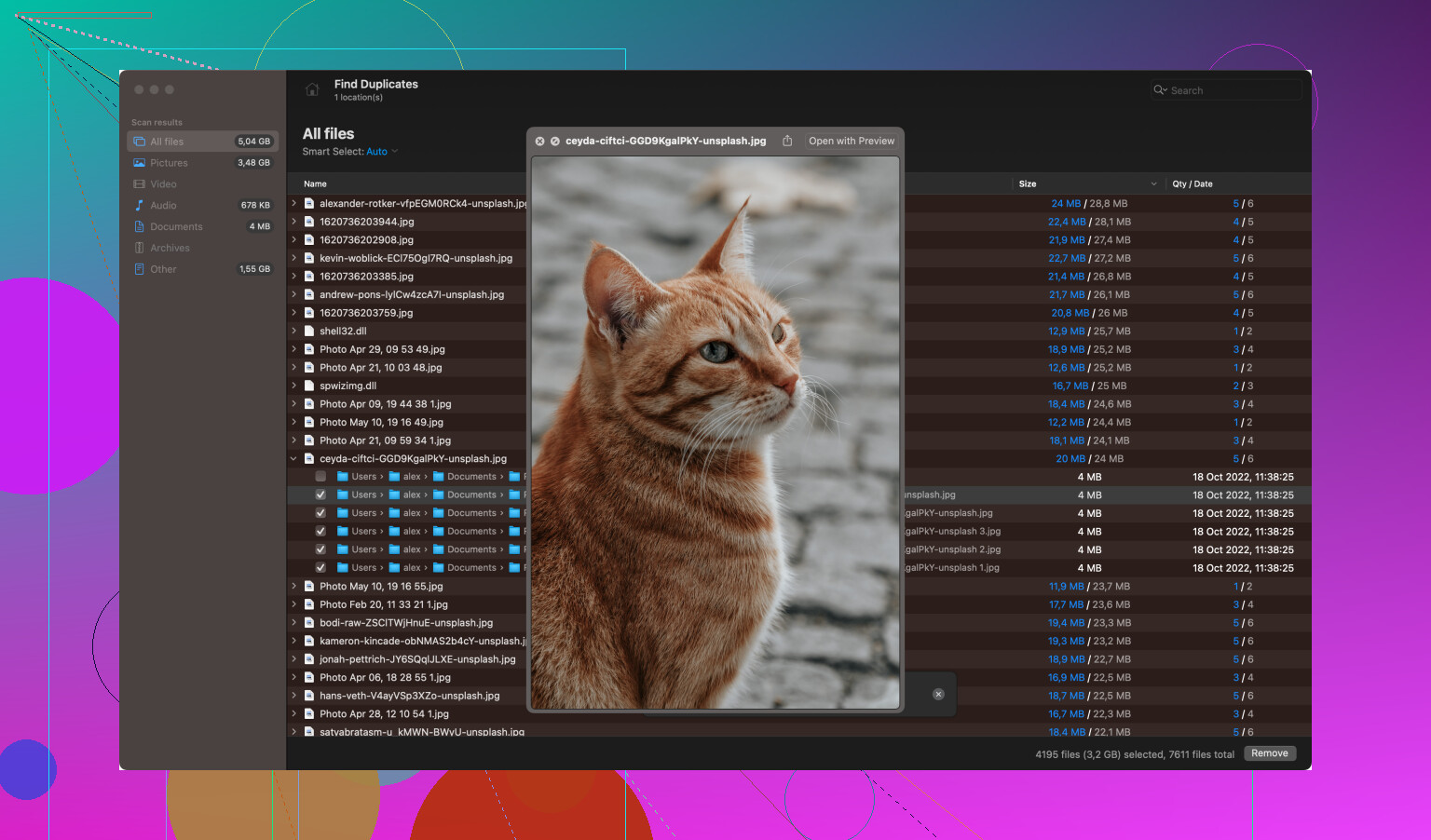
Use Data Recovery Software: If the basics don’t work, then it’s time to use some software tools. For a program that I’ve found reliable, try Disk Drill
Data Recovery Software. It’s specifically designed for various data loss scenarios and supports a wide range of file systems, including the ones used by Seagate drives. It’s quite user-friendly and can help you recover deleted files, lost partitions, and formatted disks. You can check it out here: Disk Drill Data Recovery Software. -
Running the Software: Once you have Disk Drill installed, follow the steps to scan your Seagate hard drive. The software can sift through and identify recoverable files. In many cases, Disk Drill can find and recover data that other programs can’t, so it’s worth giving it a shot.
-
Backup Everything: If Disk Drill or any other method helps you retrieve your files, make sure to back them up immediately to a different device or cloud storage. You don’t want to go through this hassle again.
Note: Recovery software works best when you haven’t tried to repeatedly access or write to the hard drive after the crash. The more you do that, the harder it is to recover your files.
If these steps don’t work and your data is super critical, it may be time to contact a professional data recovery service. They specialize in these sorts of situations but can be quite expensive.
Good luck though, hope you get your files back!
Before diving deep into data recovery solutions, let’s address an often-overlooked aspect: don’t panic. Panicking often leads to rash decisions that could worsen the situation.
Now, while @byteguru’s advice covers some solid fundamentals, I’d like to shine the light on a few alternative paths and provide a bit more nitty-gritty info to boost your chances of recovering data from your Seagate hard drive.
Dive Deeper with Built-in OS Tools
Windows Users: If Disk Management doesn’t get you the results you need, you might wanna try chkdsk (Check Disk). This can be done via Command Prompt. Open CMD as admin and type in:
chkdsk X: /f /r
Replace X: with the drive letter of your Seagate hard drive. This tool attempts to fix file system errors and can sometimes recover strange issues causing the drive not to show up properly.
Mac Users: Beyond Disk Utility, try running Terminal commands like:
diskutil list
Check if your drive is listed. If it is, you can use the fsck command to attempt to repair the file system.
Alternative Software Solutions
Though Disk Drill is a solid choice, there are other powerful players in the game:
- Recuva: It’s free and simple. Particularly good for basic recovery jobs.
- EaseUS Data Recovery Wizard: A bit more user-friendly than Disk Drill but tends to be slower in scanning deep archives.
Pros & Cons of Disk Drill
Pros:
- Comprehensive: Handles a variety of file systems and recovery scenarios.
- User Interface: Super intuitive, making it easy for even non-techies to use.
- Deep Scan: Its deep scan feature is quite proficient in digging up lost data.
Cons:
- Cost: The free version limits the amount of data you can recover—goes paid for full recovery.
- Speed: Deep scans can be slower compared to some competitors.
Physical Issues
If your drive is physically clicking or making grinding noises, that’s often a sign of hardware failure. This is when you really should think of enlisting professional help like companies specializing in data recovery services (e.g., Ontrack and DriveSavers). They are costly but worth it if the data is mission-critical.
Firmware Problems
Sometimes Seagate drives may have firmware issues. Before doing anything drastic, visit the Seagate official website and check for any firmware updates for your specific model. Installing the correct firmware can sometimes miraculously resurrect a seemingly dead drive.
Preventative Measures
Once you’ve hopefully recovered your data, take these steps to prevent future data loss:
- Regular Backups: Use tools like Windows Backup, Time Machine on Mac, or third-party solutions (e.g., Acronis, Backblaze) for regular automated backups.
- Cloud Solutions: Services like Google Drive, Microsoft OneDrive, and Dropbox offer excellent redundancy and accessibility.
- RAID Configurations: If you handle critical data, consider using RAID setups to add a layer of redundancy.
Final Words
Remember, the earlier you address data loss, the better your chances of a full recovery. Avoid writing new data to the affected drive as it significantly reduces recovery success. Keeping calm and methodical increases your odds of getting back lost files.
Hope you sort it out and get your precious data back!
In a scenario where your Seagate hard drive crashes, dealing with potential data loss can be stressful. However, panicking often leads to poor decision-making that could exacerbate the issue. Let’s dive into some specific steps to help you recover your data, building on the advice already mentioned by @techchizkid and @byteguru.
Confirming Hardware Integrity
Although it’s been already advised to check for physical damage, it’s important to highlight that even subtle anomalies could indicate hardware issues. If you hear clicking sounds emanating from the drive, it could be a sign of a head crash or other mechanical problems, making it crucial to cease any further attempts at recovery on your own. Recovery in such cases should be left to professional data recovery services such as those offered by Ontrack or DriveSavers.
Exploring Additional System Tools
For Windows Users:
While chkdsk is useful, consider the sfc /scannow command. Run this in Command Prompt as an administrator. This will initiate a System File Checker, which might help when chkdsk is not sufficient. However, be cautious with system-level tools – unless you know what you’re doing, you may inadvertently make your problem worse.
For Mac Users:
If Disk Utility fails, use macOS Recovery. Restart your Mac and hold down Command + R until the Apple logo appears. Open Disk Utility from the Recovery menu and try repairing the drive from there. Also give the fsck command another run.
diskutil list
sudo fsck_hfs -fy /dev/diskX
Replace /dev/diskX with the identifier for your drive. This provides a more granular approach to addressing file system errors.
Venturing Into Data Recovery Software Alternatives
Although Disk Drill is excellent for comprehensive recovery, there are several other tools you can consider, especially if you want to avoid the costs associated with premium software.
- TestDisk: A powerful open-source software that can help recover lost partitions and make non-booting disks bootable again. It’s less user-friendly but incredibly effective.
- PhotoRec: A companion program to TestDisk, specializing in file recovery from various file systems.
Comparing Disk Drill with Competitors
Certainly, Disk Drill has an intuitive UI and a comprehensive deep scan feature. You can download it from Disk Drill if you’re leaning in that direction. It’s great for those who aren’t tech-savvy but need robust recovery abilities. However, don’t overlook the potential limitations, such as the data cap on recoverable data with the free version.
Firmware Update Check
Before assuming your drive has physical or logical failures, make sure to check for the latest firmware updates for your Seagate hard drive. Sometimes, issues can be quickly mitigated by such updates. Visit Seagate’s official website for firmware downloads specific to your hard drive model.
Last-Resort Professional Services
In case software solutions and firmware fixes don’t bring your data back, it’s time to think about professional data recovery services. While these can be expensive, they offer the highest likelihood of successfully retrieving your data.
Avoid Further Data Write Actions
Regardless of the tool or method used, a critical rule is to avoid writing new data onto the hard drive as it can overwrite sectors containing your lost files. This simple step can vastly improve your chances of recovery.
That’s about all the actionable advice I’ve got for ya. Handling these situations with a calm, methodical approach goes a long way. It’s always a good practice to take preventative measures moving forward, like regular backups and utilizing cloud storage. Best of luck!
Good coverage. You hit stop on clicks, Windows and macOS repairs, TestDisk and PhotoRec, Disk Drill limits, firmware checks, pro labs, and no new writes. One gap, many Seagate externals fail at the USB bridge.
Simpler approach: bypass the enclosure. Remove the bare drive. Use a powered SATA to USB adpater on a second PC. Boot a Linux live USB. Mount read only. Copy priority folders first, Documents, Photos, project dirs. If it drops, retry in short sessions and let it cool between tries.
Bit confused by this thread honestly. ByteGuru says check Disk Management to see the drive, but TechchizKid then says run chkdsk on it. Except chkdsk requires a drive letter and mine doesn’t have one. Disk Management shows it but just as unallocated with no letter assigned. So how does chkdsk even apply here?
Seagate Expansion 1TB, completely silent, no clicking. Two different PCs, same result. The weird thing is Disk Management shows it with the right capacity, but unallocated. Been sitting on a shelf for six months, pulled it out and this is what I got.
@Alex you’re right, chkdsk can’t run without a drive letter and it can’t fix partition table issues anyway, that’s not what it does. The advice in this thread skipped a step.
Unallocated with correct capacity and no noise is a very specific pattern on Seagate drives. It almost always means the partition table entry got wiped or corrupted, not physical damage. The data is almost certainly intact, the OS just has no map of where the partition starts. Six months on a shelf wouldn’t cause physical failure for a drive that was working before, and the Seagate showing correct capacity is a strong sign the controller is fine.
First thing before touching anything – run S.M.A.R.T. Diagnostics. CrystalDiskInfo is free and takes a minute. The attribute that matters most is C5 Current Pending Sectors, raw value. If that’s zero and overall health is Good, you’re dealing with a purely logical issue. If C5 is non-zero, the drive has sectors it suspects are failing and hasn’t been able to reallocate yet, which means you should create a byte-to-byte image before any repair attempt. Reallocated Sectors (attribute 05) being non-zero is a past warning but less urgent since those sectors already moved to spare area.
Worth knowing before you choose a tool – recovery tools, partition repair tools, and diagnostics tools each have different primary purposes. TestDisk is focused on partition repair, Disk Drill is focused on file recovery, CrystalDiskInfo is diagnostics. This breakdown of hard drive software by category covers it clearly. For your Seagate specifically, since the partition table is the likely culprit, use Disk Drill first to create a free byte-to-byte image of the drive. Then run TestDisk on the original drive. That way if TestDisk doesn’t restore full access, you can run Disk Drill on the image to get the files back.
@Brian ran CrystalDiskInfo. Everything Good, C5 raw value 0, no pending sectors, no reallocated. Purely logical.
Downloading TestDisk. Ran Analyse, Quick Search, it found what looks like the original NTFS partition. Before I write it back, is there a check I should do first to confirm it found the right one?
@Alex yes. In TestDisk, highlight the partition it found and press P. That opens a file list from inside that partition. If you can see your actual files and folders in there, the geometry is correct and writing it back is safe. If the list is empty or shows unrecognizable filenames, do not write, something is off with what it detected.
Assuming the file list looks right – also verify that the partition size matches what you’d expect for a 1TB drive, file system shows NTFS, and there’s no sector overlap with anything else listed. When all that checks out, select Write, confirm Y, exit TestDisk, reboot. The change doesn’t take effect until after the reboot.
Once it’s back up and the drive appears – resist opening everything at once. Connect a second drive immediately and copy the most important folders first. Partition repairs are usually clean but copying priority data before anything else is just good practice. If TestDisk doesn’t restore full access, Disk Drill scanning the whole physical Seagate disk is the next step – it works on unallocated space directly without needing a visible partition.
Pressed P, files were all there, names intact. Size matched, NTFS, no overlaps. Wrote it, confirmed with Y, rebooted. Drive appeared in File Explorer immediately with the original label. Everything looks complete.
Moved the important stuff to another drive before anything else like Chloe said. This drive is going to be backup-only from now on, already ordered a replacement. And yeah the chkdsk suggestion in this thread was genuinely confusing, glad I asked instead of just trying random things.
Want to add something specifically for Seagate externals that aren’t showing up at all, not just unallocated. A lot of Seagate Expansion and Backup Plus models fail at the USB bridge board inside the enclosure, not the actual drive. If the drive doesn’t appear anywhere, not even in Device Manager, before assuming the drive is dead it’s worth opening the enclosure and connecting the bare drive with a powered SATA-to-USB adapter. Powered means it has its own external power supply, not just bus-powered from USB. UGREEN and Inatek make reliable ones for around 15-20 dollars.
The bridge failing and the drive being unallocated are two different problems. Alex’s situation was partition corruption on the Seagate, which TestDisk fixed. A completely invisible Seagate drive might just be a dead bridge board with a perfectly fine disk inside. Silent and unallocated means TestDisk. Completely invisible in Device Manager means try the enclosure bypass first.